 Skip to content



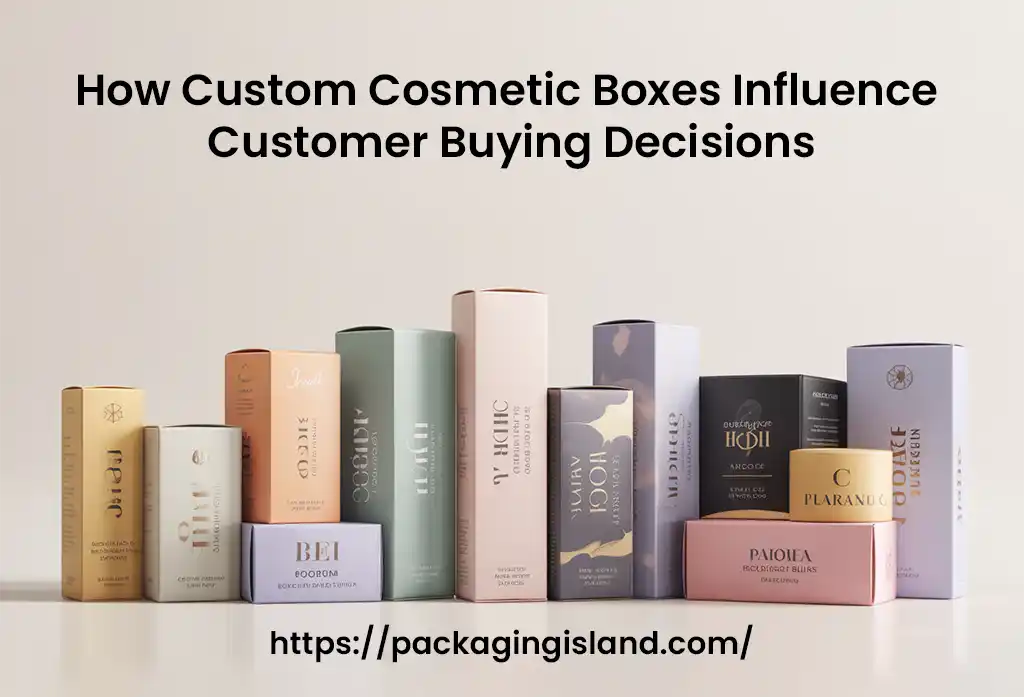
Choosing the right retail boxes is one of the most important decisions a brand can make in today’s competitive marketplace. Whether you sell cosmetics, electronics, baked goods, clothing, accessories, or handmade items, your packaging becomes the first touchpoint between your customer and your product. High-quality Retail boxes help protect your goods, elevate your brand image, and influence buying decisions. With thousands of packaging options available, understanding what works best for your product category is essential.
In this guide, we explore how businesses can select the perfect retail boxes, what materials to consider, how design impacts customer perception, and what common mistakes to avoid. This informational resource helps small businesses, e-commerce brands, and retail stores make smarter packaging choices.
Why Retail Boxes Matter More Than Ever
Retail packaging is no longer only about holding a product—it has become a branding tool. In physical stores, retail boxes determine shelf visibility, while in e-commerce, they contribute to unboxing experience and product safety. Customers quickly associate good packaging with quality, trust, and professionalism. When your retail boxes look good, feel durable, and match your product identity, your brand appears more credible.
Well-designed retail boxes also help reduce returns, protect fragile items, and improve overall customer satisfaction. Because of rising competition, businesses can no longer afford to use generic or low-quality packaging.
Understanding Your Product Before Choosing Retail Boxes
Before selecting packaging, analyze the core characteristics of your product. This includes its:
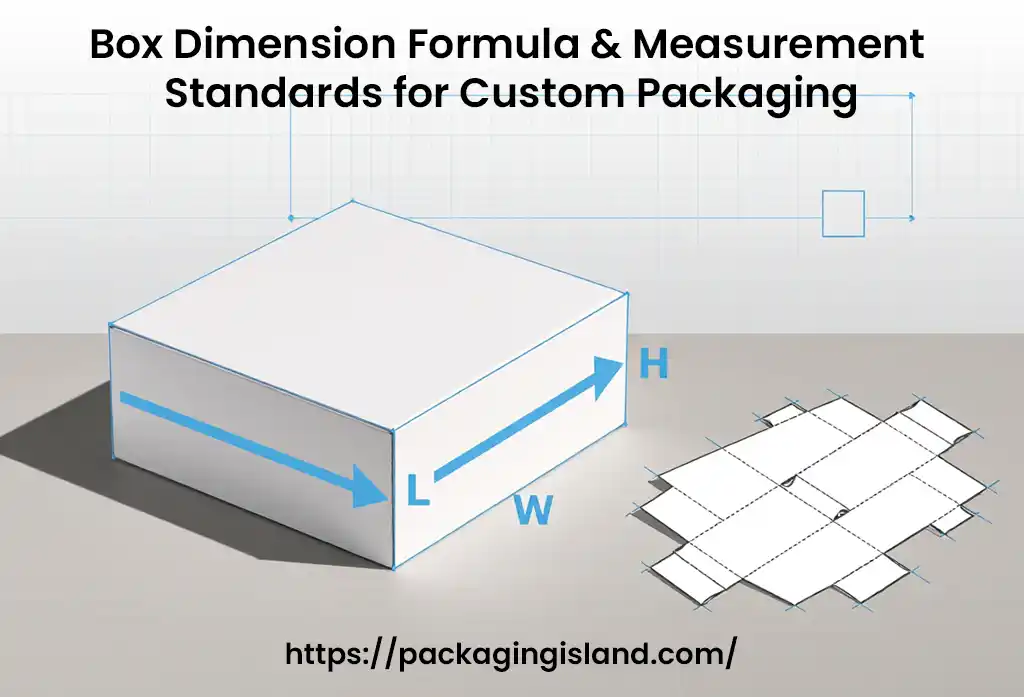
1. Size and Dimensions
Your retail boxes should fit the product comfortably without excessive empty space. Oversized packaging increases cost, looks unprofessional, and can cause products to move around during shipping.
2. Weight and Fragility
Heavy or delicate products need strong retail boxes made from corrugated or rigid board. Lightweight items can use cardboard or kraft packaging.
3. Product Category Requirements
Certain product types require industry-specific packaging styles. For example:
- Cosmetics need elegant printed boxes.
- Bakery items often use window retail boxes.
- Electronics need shock-resistant packaging.
- Food items require food-grade material.
Understanding your product ensures your packaging offers both protection and appeal.
See more packaging options in our guide to Custom Retail Boxes .
Types of Retail Boxes to Consider
There are multiple packaging categories, each suited for different products and business needs. Choosing the right style ensures a balance between aesthetics and functionality.
1. Folding Carton Retail Boxes
Lightweight and ideal for cosmetics, skincare, and small consumer goods. These boxes offer great printing flexibility and are cost-effective.
2. Corrugated Retail Boxes
Best for heavier, fragile, or shipped products. Corrugated retail boxes resist pressure, shocks, and external damage.
3. Rigid Retail Boxes
Used by luxury brands for premium items like jewelry, perfumes, or electronics. Rigid boxes offer a high-end feel and strong protection.
4. Kraft Retail Boxes
Eco-conscious brands prefer kraft boxes because they are recyclable, sustainable, and stylish. They suit clothing, handmade items, and food packaging.
5. Window Retail Boxes
Perfect for bakeries, candles, cookies, and products that benefit from visible display. These retail boxes help customers preview what’s inside.
6. Custom Printed Retail Boxes
Brands looking to elevate identity can opt for printed designs, color themes, and logo placement. Customized printing enhances branding and recognition.
Material Options for High-Quality Retail Boxes
Selecting the right material is essential for durability, sustainability, and product safety. The three most popular materials are:
1. Cardboard
Lightweight, affordable, and suitable for most retail items. Cardboard retail boxes support high-quality printing and branding.
2. Corrugated Board
Ideal for products requiring extra protection. Corrugated boxes are strong and perfect for shipping and e-commerce brands.
3. Kraft Paper
Eco-friendly and visually appealing. Kraft retail boxes help brands achieve a natural, rustic, or organic look.
Choose the material based on your product’s durability needs and brand aesthetic.
Explore more eco-friendly options in our Kraft Retail Boxes.
Important Factors to Consider When Choosing Retail Boxes
Choosing the right packaging requires more than just box size. Here are essential factors every business should evaluate:
1. Branding & Visual Design
Your retail boxes must align with your brand’s personality. Use fonts, colors, and logos that reflect your brand identity. Packaging design can help attract customers even before they see the product.
2. Durability & Strength
Ensure the box protects your product during transportation, stocking, and handling. Poor-quality retail boxes can damage your product and reputation.
3. Printing Quality
High-resolution printing improves brand image. If your packaging includes artwork or detailed designs, ensure the box material supports professional printing.
4. Unboxing Experience
E-commerce brands rely heavily on unboxing. Smooth opening, clean edges, and attractive interior design can transform customer experience.
5. Cost Efficiency
Balance quality and budget. Wholesale retail boxes help reduce cost per unit, especially for growing businesses.
6. Sustainability
With rising consumer demand for eco-friendly products, selecting recyclable or biodegradable retail boxes can help build trust and appeal to conscious buyers.
Common Mistakes to Avoid When Selecting Retail Boxes
Many businesses unknowingly make packaging mistakes that cost them sales, reputation, and money. Avoid the following errors:
1. Choosing the Wrong Box Size
Oversized boxes waste material and increase shipping costs. Poor sizing also makes products move around, increasing damage risks.
2. Ignoring Product Fragility
Delicate items need strong materials and inserts. Choosing basic cardboard for breakable items can lead to returns and customer complaints.
3. Overlooking Branding
Plain boxes miss opportunities to promote brand identity. Printed retail boxes help people remember your business and differentiate you from competitors.
4. Using Low-Quality Printing
Blurry logos or faded colors make your brand look unprofessional. Quality printing builds trust and enhances visual appeal.
5. Forgetting About Customer Experience
Packaging is part of the customer journey. Hard-to-open boxes or unappealing designs can negatively impact satisfaction.
How Retail Boxes Influence Consumer Buying Decisions
Customers often judge product value based on the packaging. Attractive retail boxes improve:
- Shelf appeal
- Brand recognition
- Customer trust
- Perceived product quality
- Repeat purchase likelihood
A well-designed retail box gives the impression that the product inside is premium, even if it’s affordable.
Why Custom Retail Boxes Are Worth the Investment
Custom retail boxes help you achieve:
- Personalized branding
- Exact size fitting
- Unique unboxing experience
- Enhanced shelf visibility
- Better product protection
For businesses aiming to build a strong market presence, custom packaging is one of the most effective strategies.
Retail Boxes for E-Commerce vs Physical Stores
There is a difference between packaging for online orders and in-store displays.
E-Commerce Retail Boxes
- Must be strong, durable, and shock-resistant
- Often require corrugated material
- Should support branding during delivery
In-Store Retail Boxes
- Focus more on visual appeal
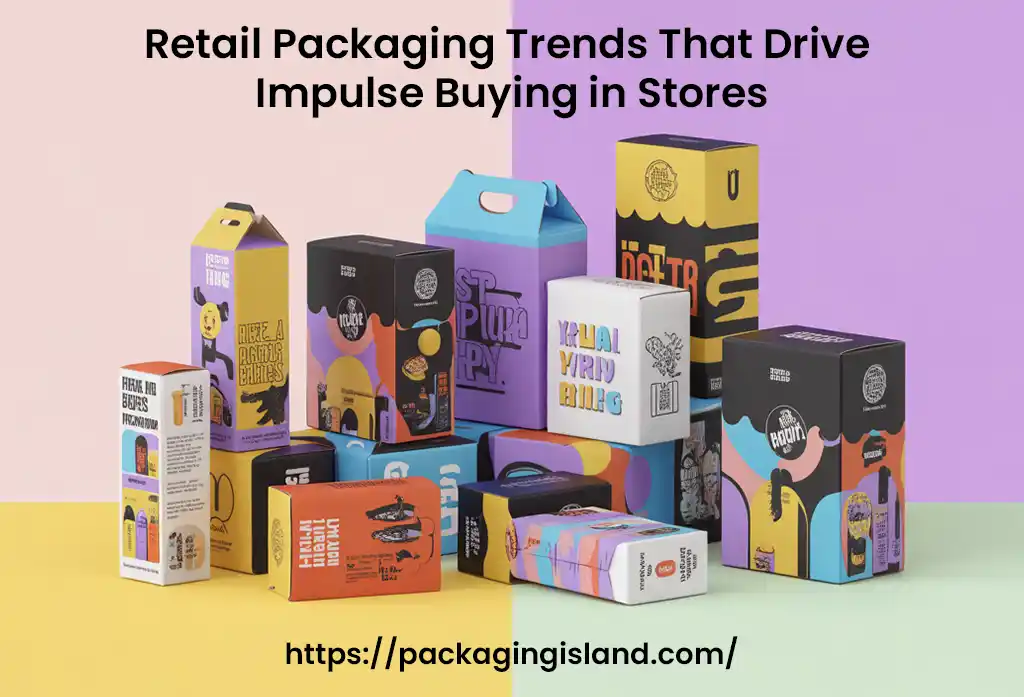
- Use window cutouts, premium printing, and unique shapes
- Help attract walk-in shoppers
Understanding these differences ensures you choose packaging that suits your sales channel.
FAQs
1. What type of retail boxes are best for fragile products?
Corrugated retail boxes are ideal because they provide strong protection and shock resistance.
2. Are kraft retail boxes eco-friendly?
Yes. Kraft boxes are made from recycled material and are 100% biodegradable.
3. Can I add custom printing to all types of retail boxes?
Most materials support printing, but cardboard and rigid boxes deliver the best color quality.
4. How do I choose the right size retail box?
Measure your product dimensions and choose a box that fits snugly without too much extra space.
5. Are retail boxes important for e-commerce brands?
Absolutely. Good packaging protects products and improves customer experience during unboxing.
