 Skip to content





Choosing the right E commerce boxes is one of the most important decisions for any online business, especially in the USA where packaging directly influences customer satisfaction, brand trust, and shipping safety. Many new and even established e-commerce brands underestimate how much impact the wrong packaging can create—from product damage to higher delivery charges. This detailed guide explains the most common mistakes businesses make when choosing E commerce boxes, how to avoid them, and what to consider for long-term growth.
Understanding Why E-Commerce Boxes Matter Today
Online shopping in the United States has grown massively, and customers expect fast, safe, and premium packaging. If the packaging feels cheap, oversized, or non-protective, customers immediately form a negative opinion about the brand. That is why choosing proper E commerce boxes has become a strategic step rather than a simple packaging task. Quality boxes help reduce return rates, improve unboxing experience, and strengthen brand identity.
Choosing the Wrong Box Size
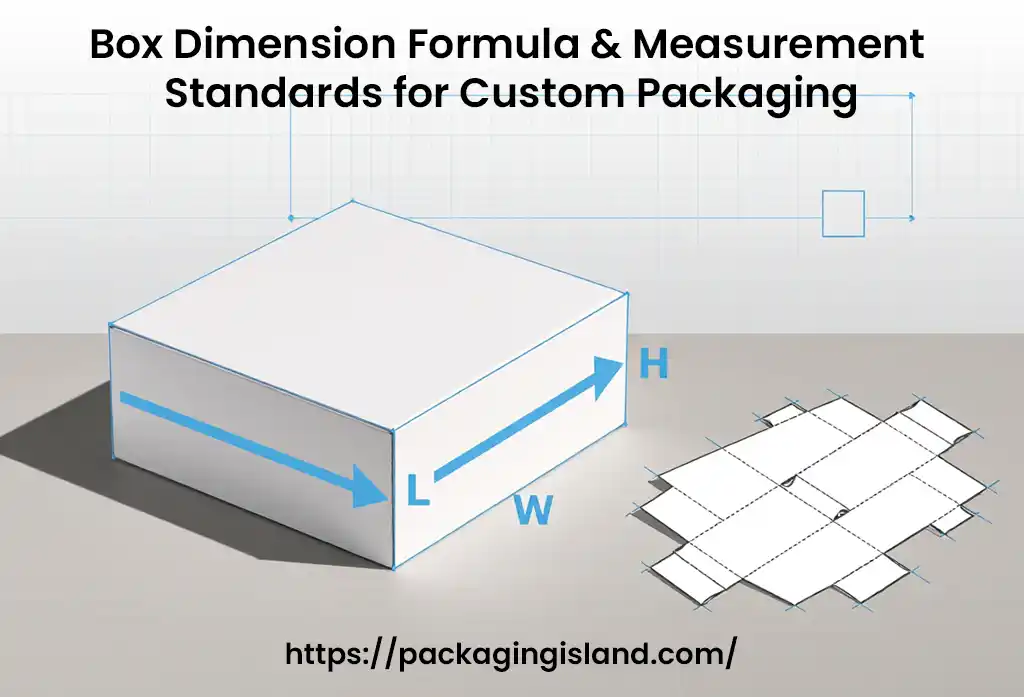
Many businesses choose generic box sizes because they want to save time. However, an oversized box increases shipping costs, while a small box leads to product damage. The best practice is to measure the exact product dimensions and select appropriately sized E commerce boxes that hold the item tightly without applying excessive pressure.
Using the right size also enhances your sustainability score because you use fewer materials and generate less waste—an important factor for U.S. consumers who now prefer eco-friendly packaging.
Ignoring Material Strength and Durability
One of the biggest issues with poorly selected E commerce boxes is choosing weak materials. Thin cardboard cannot handle rough shipping processes. During transit, packages go through vibration, stacking, moisture exposure, and pressure. If your box is not strong enough, it can tear, collapse, or open during delivery.
For most online sellers, corrugated cardboard is the most reliable option. Variations like single-wall, double-wall, and triple-wall corrugated layers provide different levels of strength. The stronger the product category, the stronger the box. For example, electronics, glass items, and heavy tools should never be shipped in lightweight packaging.
Overlooking Branding Opportunities
In the USA, unboxing experience has become a marketing strategy. Customers often share packaging on social platforms, which means your brand gets free promotion. However, many sellers still use plain E commerce boxes without branding.
Customized printing, colors, stickers, and logo placement help create a memorable brand image. Even simple branding such as a one-color logo or a “Thank You for Ordering” message can significantly improve customer retention.
A strong box design shows professionalism and boosts trust, especially when competing with established online stores.
Not Considering the Product Category
Each product category requires a different type of packaging. Clothing brands can use lightweight E commerce boxes, but skincare brands need leak-proof, shock-resistant packaging. Food products often require multi-layer insulation to maintain freshness.
Failing to match the packaging with the product category results in breakage, returns, and customer complaints. Before selecting a box, brands should list their product sensitivity—fragile, temperature-sensitive, liquid-based, or heavy—then choose a box designed specifically for that need.
Ignoring Shipping Requirements and Carrier Guidelines
Major U.S. shipping carriers like USPS, FedEx, and UPS have specific rules regarding packaging dimensions, weight, and material. Selecting the wrong E commerce boxes can lead to additional fees or packaging rejection. Oversized boxes also cost more due to volumetric weight.
Understanding carrier guidelines ensures you choose a box that is affordable yet durable. Many brands save money by switching to custom-sized packaging instead of using standard dimensions from suppliers.
Not Using Eco-Friendly Packaging Options
American consumers are becoming more environment-conscious, and they prefer brands that use sustainable packaging. Choosing non-recyclable or low-quality materials harms both the environment and brand reputation.
Eco-friendly E commerce boxes made from recycled cardboard or biodegradable materials are becoming a top choice for U.S. businesses. They not only reduce carbon footprint but also help build a positive brand image. Some brands even mention “100% Recyclable Packaging” on their boxes to highlight their sustainability efforts.
Poor Internal Protection or Cushioning
Even the strongest E commerce boxes cannot protect products without internal cushioning. Businesses often ignore the need for fillers such as bubble wrap, kraft paper, air pillows, or molded inserts. Fragile products are at high risk if the inner space is empty or loosely packed.
Using internal protection ensures the product does not move during transit and remains safe from impact. A perfect packaging strategy always combines a strong box with the right internal protection.
Buying Cheap Boxes Instead of Quality Packaging
Budget-friendly packaging is good, but extremely cheap E commerce boxes lead to costly issues later. When boxes tear, products break, and customers complain, the overall business cost increases.
It is better to invest in slightly higher-quality materials that protect your products effectively. Quality packaging reduces returns, boosts customer satisfaction, and strengthens long-term brand loyalty.
Not Testing the Packaging Before Shipping
Before launching new packaging, many companies skip the testing phase. This is a major mistake because packaging must be tested under real conditions such as vibration, drop test, stacking pressure, and transit movements.
Properly tested E commerce boxes ensure fewer surprises during actual delivery. This is especially important for subscription-based businesses that ship large numbers of products each month.
Ignoring Cost Efficiency and Long-Term Planning
Some brands buy boxes without calculating long-term operational cost. Choosing oversized or overly heavy E commerce boxes increases shipping weight and leads to recurring expenses.
Brands should evaluate packaging cost per shipment, negotiate with suppliers, and consider bulk purchasing. Long-term planning also includes seasonal packaging changes, new product launches, and material upgrades.
Best Practices for Choosing the Right E-Commerce Boxes
To avoid all these mistakes, follow these practical steps:
- Measure product dimensions accurately.
- Choose durable corrugated materials.
- Match box style with product category.
- Test the packaging before launch.
- Use eco-friendly materials for better brand trust.
- Add internal protection to avoid damage.
- Incorporate simple but effective branding.
Focusing on these essentials will help your E commerce boxes perform better and improve customer experience.Learn more about best-ecommerce-packaging-solutions here.
FAQs
1. What type of E commerce boxes are best for fragile products?
Double-wall corrugated boxes are the best choice for fragile items because they offer extra strength and shock resistance during transit.
2. How important is branding on E commerce boxes?
Branding is extremely important, especially in the USA where packaging influences customer perception. A branded box improves unboxing experience and boosts customer loyalty.
3. Are eco-friendly E commerce boxes more expensive?
Not always. Many recycled materials are cost-effective, and businesses often save money in the long run due to improved customer trust and reduced waste.
4. What is the ideal box size for online products?
The ideal size depends on product dimensions. The box should fit the item tightly without extra space to prevent movement during shipping.
5. How can I reduce shipping costs with the right boxes?
Choose custom-sized E commerce boxes, use lightweight materials, and follow carrier guidelines to avoid oversized package charges.
